


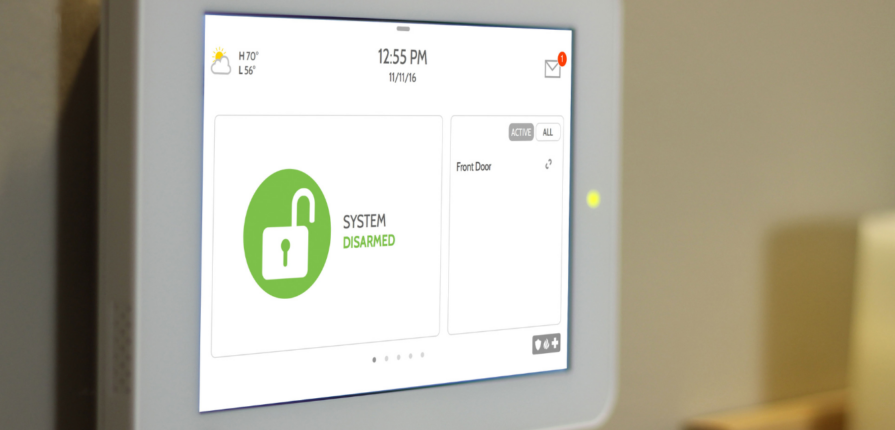
Most alarm systems are built to detect when something changes. A door opens after hours, motion is triggered, or a protected zone is breached, and the system sends a signal that starts a response process. What that signal does not provide is context, and that gap becomes more important the longer a system is in place.
At Lane Electronics & Alarm Systems, Inc. we work with customers who rely on their systems every day. Alerts are being generated, monitoring is active, and the system appears to be doing its job. The issue is not whether the system is working, it is whether it provides enough information to understand what is actually happening at the moment an event occurs.
The Limitation of a Signal-Based System
An alarm signal tells you that something happened, but it does not explain what caused it or how serious the situation is. In practice, that creates a problem. Some events are expected, such as a scheduled delivery or an employee entering outside standard hours, while others require immediate attention. When both scenarios produce the same type of alert, the system cannot distinguish between routine activity and a potential issue.
Without that context, responses tend to follow a fixed process rather than being guided by what is actually taking place. Over time, this leads to unnecessary dispatches, slower decisions, and situations where it is difficult to determine what really occurred without going back and reviewing footage later.
Where the Gap Starts to Show
This limitation is not always obvious during normal operation. The system continues to function, alerts are still being sent, and monitoring remains active. The difference becomes clear when there is a need to respond quickly or verify an event in real time.
At that point, several challenges tend to surface at once:
- Alarm events that cannot be clearly verified when they occur
- Uncertainty around whether activity is expected or unauthorized
- Repeated alerts that do not reflect real issues
- Delays in understanding what actually happened
- Monitoring responses that are based on signals without visual confirmation
None of these are system failures. They are the result of relying on signals without enough supporting information.
If your current system is alerting you to activity but not giving you a clear picture of what is happening, it may be time to take a closer look. Lane Electronics & Alarm Systems, Inc. can review how your alarms and cameras are working together and identify where additional visibility can improve response. Call 407-299-6070 or connect with our team to schedule a system review.
What Changes When You Add Visibility
When alarm events are paired with video, the response process becomes more informed and more consistent. Instead of reacting to a signal alone, events can be evaluated based on what is actually taking place, allowing monitoring teams to confirm activity as it happens and respond accordingly.
This shift changes how decisions are made. Situations that require attention can be escalated with confidence, while routine activity can be handled without unnecessary disruption. The system moves from simply generating alerts to providing usable information at the moment it is needed.
A Practical Adjustment, Not a System Replacement
For most customers, improving this process does not require replacing their existing system. It comes down to how the system is configured and how its components work together. Cameras, alarms, and monitoring are often already in place, but they are not always aligned in a way that supports clear, real-time understanding.
By adjusting how these elements interact, it becomes possible to improve visibility and response without introducing unnecessary complexity. In many cases, small changes in configuration can have a noticeable impact on how effectively the system performs.
Moving from Alerts to Understanding
An effective security system does more than notify you when something changes. It gives you the ability to understand what is happening and respond appropriately in real time. That level of clarity is what separates a system that simply reacts from one that actively supports decision-making.
For current customers, this often means revisiting how alarms, cameras, and monitoring work together and making practical adjustments that reflect how the property is actually used today. When those systems are aligned, the result is not more activity, but better information.
If you want to move beyond basic alarm signals and gain a clearer understanding of what is happening at your property, Lane Electronics & Alarm Systems, Inc. can help. Call 407-299-6070 or reach out to our team to review your current setup and explore practical improvements.

Leave a Reply